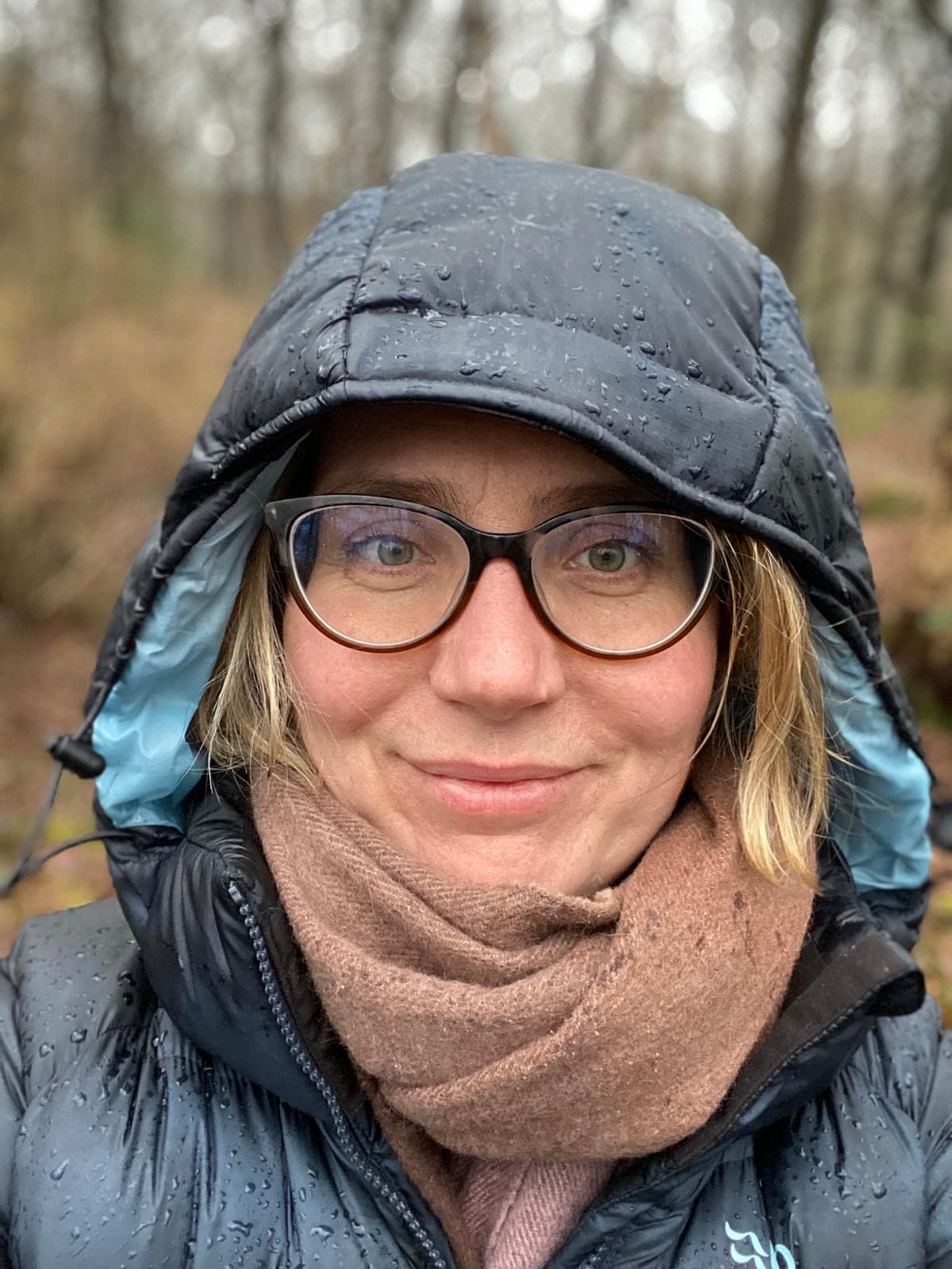
As a parent of 3 boys, two of whom have dyslexia, Emma provides an insightful and compassionate view of learning difficulties.
Emma and her husband wanted to gain diagnoses for two of their children because they were aware that they were struggling with reading proficiency and speed of processing, and as the children themselves became more aware of their learning differences compared with other people, it became about helping them to understand what their strengths and weaknesses were. They felt that getting the more in-depth, diagnostic assessment meant they would be better equipped to support the children themselves, and to gain specific support in schools. They recognized that as the children moved through the education system, they would be more guaranteed to get adaptations and accommodations if that official assessment and those recommendations were in place. And that they would be met with greater understanding of their needs.
Harvey was diagnosed at 14, he is now 18 and sitting his A-Levels this summer. Sam was diagnosed aged 11 and is coming to the end of Year 10.
I asked Emma to explain why the assessment process was beneficial to them.
It was a therapeutic process of having confirmation. They’re both very emotionally intelligent and were becoming aware of how different they were to other people and how their learning needs didn’t really align with the way they were being taught at school.
The process gave them self-understanding and validation. We hoped they would be better equipped to advocate for themselves but when both of them have tried to do that, as young people, it hasn't been well received.
The timing of them was also linked to their awareness and readiness to engage in an assessment. It was after the pandemic and because we had become more directly involved with their work at home, it was more apparent that this was not something that was improving with practice. So it was when it became necessary to ensure that their learning needs were met. Initially, with secondary school, we had to really advocate for Harvey’s needs, but once they were on board, they were great. Sam’s secondary school approach was much more ‘hands-off’. There was no personal engagement around his learning needs, or discussion of the assessment report, which I find really difficult, particularly given his approaching GCSEs.
What do you think changed for them personally after getting a diagnosis?
I think it helped them to understand themselves better. I don't think it completely resolves some of those difficult self belief issues, and how they see themselves. It's still difficult to be amongst other people who do not have these same struggles, but I think it helps them and us and how we talk about dyslexia at home.
What does dyslexia mean to you?
Dyslexia means to me, as a parent, that my children's brains are not imperfect, but they're wired in a different way to other people's and that has lots of benefits in terms of how they think, how they approach problems and interpret patterns to learn new skills effectively.
But dyslexia, to me, also means ‘struggle’. That it can be very difficult in an academic setting, in this country, where the expectations are to develop literacy very young and in a way that was also not compatible with how they were able to learn.
What strengths and challenges do you think dyslexia gives your children?
My experience with both children has been that they are often very aware and attentive and take in a lot of detailed information from their environments and conversations, and that’s really quite helpful for learning new skills by observing and imitating, but it can also become quite overwhelming when they’re unable to filter it all.
Both my children have difficulties with speed of fluency and processing. Sam is not yet a fluent reader - it’s still very effortful for him. So reading comprehension has always been a struggle; being able to infer for example, because there’s so much work goes into the mechanics of decoding the words, and so there’s less capacity to digest the content. The working memory is just overburdened.
I think it’s also very challenging to maintain self esteem in the education system and that it is so dependent on individual teaching staff. We really saw this when one of the children was well served with understanding, support and a desire to see him achieve his best, and this was even before he had received any diagnosis - it was just responding to his educational needs. But in comparison to that we’ve met much more resistance to accommodating basic needs, for both children, when the staff involved have been less proactive.
Going right back, when did you first realise they had literacy difficulties?
Very early, nursery, pre-school…they were both delayed in their motor skills - Sam more so his fine motor dexterity; his hand control, and with Harvey, being premature, accounted for some delay there too, but then he had, from a very young age, a lot of verbal ability. But when he started school, there was a huge discrepancy between his vocabulary and expression and what he was able to write down. It was a simpler picture for Sam, as he was just unable to learn to read through phonics instruction.
We were ‘watchfully waiting’ with all the children really; Harvey, being premature, Sam, being a twin, them all being boys and there being other members of our family with dyslexia diagnoses, which does mean they have a number of risk factors for learning difficulties. The twins are ‘summer babies’ which has its disadvantages within the school system as well, so we always wondered if they would experience some kinds of delays. In actual fact, neither of the twins could read by Year 2, but where his brother was simply a late developer and now at 14 has a reading age of 17, Sam continues to struggle due to his dyslexia.
How did they eventually learn to read?
We were introduced to an alternative method of reading by a family friend, which didn’t use the synthetic phonics system used in UK primary schools. Up to that point the boys were simply being given more reading by the school - which actually increased anxiety and highlighted their difference from others. We took it upon ourselves to find an alternative as the remediation from the school was too much pressure. Sam would get highly distressed and quickly developed the narrative of, ‘I'm stupid, I'm thick, I can't do what other people do.’ and so on. And as parents, when you witness such resistance towards reading and learning you have to step in. So we did it ourselves at home, with the support of patient and helpful grandparents, and then eventually, with some encouragement, the school took that method on board for him.
As a specialist teacher, to hear of children becoming so distressed, when solutions exist though specialist programmes, it is so frustrating. Many schools resist early intervention (younger than aged 7) but the impact on children’s mental health and the stigmatisation of being unable to do what others can, not to mention their educational delay, is harder to reverse the longer it persists. What are your thoughts on screening and intervention for younger children?
It doesn’t work to not do anything. You look to the school to be the expert and tell you how to fix things. But instead, they’re saying, “Oh, it’s fine, because they are lovely kids and they socialize nicely, and they’re friendly and helpful.” Because they’re not disruptive or misbehaving, they’re not a problem. And the children would volunteer to read aloud in class and put themselves forward - It’s not an issue of motivation, therefore the school don’t always see the problem parents see. It can be very hard to get your concerns heard.
I think people assume dyslexia is just to do with spelling or reading because that’s what can be seen. But it’s actually about how they learn.
I think that misunderstanding leads to confusion about provisions, like if you give a child blue paper, then they'll be able to access all of the learning, and that's just not the case. It's not a band-aid solution, nor is it one size fits all. Earlier screening would lead to greater understanding of needs and that can only be a positive thing.
What would be top of your wish list of provisions available for dyslexic children to excel at school?
If I could pick anything, it would be to be identified sooner so that there could be targeted, flexible interventions to support them with the basic needs around reading words, and ideally at a younger age, so that they can then access all the learning and become more independent, and confident.
Secondly, I would wish there was more acknowledgement and understanding for the importance of training for teachers so that children's needs to be supported, rather than approaching it as something which is ‘lacking’ but something which caters for their unique strengths.
It's very important that children are aware that it's not that there's something wrong with them.
And being able to give specialist support, individualised to their needs has been crucial at times for us. We are very aware of the privilege involved in being able to pay for tuition and specialist subject support, but it should be available in schools for all.
At secondary school, I think what's been missing for us, in particular, is the communication and involvement with us. It should be collaborative; joined up with parents’ and the child’s experiences. I think it would be helpful if schools were proactive in offering and trying out different alternatives to remove learning barriers.
I don’t think exam access arrangements should pose as many issues as they do. There should just be no resistance to meeting a child’s needs.
While I appreciate it's very difficult for teachers, working at the pace of different children, I think there could be a greater expectation within the profession to provide information in different formats, and ensuring resources are clear and visible - very simple things but which make the burden to the individual child or young person that much greater. They've got to work even harder to keep up. Having alternative platforms for learning like Sparx is making learning so much more inclusive.
And schools celebrating interests outside of academic subjects to increase inclusivity and allow different characteristics and qualities to shine. Both Harvey and Sam have found their extra-curricular passions transformative and quite protective at times for their well-being and mental health.
It's just so important to appreciate the impact learning difficulties have on self identity and how difficult it is to be a person with a learning difficulty.